


Slipped Rib Syndrome: Causes, Symptoms, and When to Seek Treatment
Slipped rib syndrome is an often-overlooked cause of chest and upper abdominal pain. It occurs when one of the lower “false ribs” becomes excessively mobile, irritating nearby nerves and tissues. The result can be sharp, catching, clicking, or burning pain that may be unsettling, particularly because it can resemble conditions involving the heart, lungs, stomach, or gallbladder.
Although the condition is not usually dangerous, it can significantly affect comfort, sleep, movement, exercise, and daily life. Accurate diagnosis is important both to rule out urgent causes of chest pain and to guide appropriate treatment.
What Is Slipped Rib Syndrome?
The rib cage contains 12 pairs of ribs. The upper seven pairs connect directly to the breastbone through cartilage and are known as “true ribs.” Ribs eight through ten are called “false ribs” because their cartilage connects indirectly to the breastbone. The bottom two pairs, ribs 11 and 12, are often called floating ribs because they do not connect to the breastbone at all.
Slipped rib syndrome most commonly affects ribs eight through ten. In this condition, the cartilage supporting one of these ribs becomes loose, stretched, or unstable. The affected rib may move more than it should and slide beneath or over an adjacent rib.
For a more detailed overview of diagnosis and treatment options, see this guide to slipped rib syndrome.
This abnormal movement can irritate the intercostal nerves, which run between the ribs. It may also strain surrounding muscles, cartilage, and connective tissue. The term “slipped rib” does not necessarily mean that a rib has visibly moved out of place; rather, it refers to excess mobility at the rib’s cartilage connection.
Other Names for Slipped Rib Syndrome
Slipped rib syndrome may be described using several different terms, including:
- Rib tip syndrome
- Clicking rib syndrome
- Cyriax syndrome
- Interchondral subluxation
- Painful rib syndrome
- Twelfth rib syndrome, when a floating rib is involved
Because the condition is relatively uncommon and can produce symptoms that overlap with other disorders, it is sometimes missed or mistaken for another source of pain.
What Causes Slipped Rib Syndrome?
Slipped rib syndrome develops when the fibrous tissue and cartilage that help stabilise the lower ribs become weakened, irritated, or injured. Sometimes a clear trigger is present; in other cases, symptoms emerge gradually without a single identifiable event.
Injury or Trauma
A direct blow to the chest or upper abdomen can damage the cartilage and soft tissues around the lower ribs. Falls, contact sports, motor vehicle accidents, or forceful impacts may create the instability that leads to a slipping sensation and pain.
Repetitive Movement and Overuse
Repeated twisting, bending, reaching, lifting, coughing, or athletic movement can place strain on the lower rib cage. Activities that involve frequent trunk rotation, such as golf, tennis, rowing, gymnastics, swimming, or manual labour, may contribute to irritation over time.
Forceful Coughing or Sneezing
Persistent coughing can place significant pressure on the chest wall and rib cartilage. In some cases, a severe coughing episode can strain the tissues around the lower ribs enough to trigger symptoms.
Pregnancy and Hormonal Changes
During pregnancy, hormonal changes can increase ligament flexibility, while the growing uterus changes pressure and posture throughout the torso. These changes may make some people more susceptible to rib discomfort or instability.
Hypermobility and Connective Tissue Differences
People with naturally flexible joints or connective tissue conditions may have greater ligament laxity. This can make the lower rib cartilage more prone to excess movement.
Previous Surgery or Chest Wall Changes
In some cases, prior chest or upper abdominal surgery, altered posture, or changes in the surrounding musculature may contribute to instability or nerve irritation around the ribs.
Common Symptoms of Slipped Rib Syndrome
Symptoms can vary based on the rib involved, the degree of movement, and whether nearby nerves are irritated. Pain is often intermittent and may be triggered by specific positions or movements.
Sharp or Stabbing Pain in the Lower Chest or Upper Abdomen
Many people describe a sudden, sharp pain along the lower edge of the rib cage. The pain may occur on one side, though both sides can be affected. It can be felt in the chest, side, back, or upper abdomen.
Because the lower ribs extend into the upper abdominal area, slipped rib syndrome may be mistaken for digestive, gallbladder, kidney, or abdominal muscle problems.
Clicking, Popping, or Slipping Sensation
A hallmark symptom is the feeling that something is moving, catching, clicking, or popping beneath the rib cage. This may occur when bending, twisting, taking a deep breath, getting out of bed, coughing, or reaching overhead.
Not everyone experiences an audible click, but a sensation of movement or instability can be an important clue.
Pain That Worsens With Movement
Symptoms often become more noticeable with actions that engage the chest wall and abdominal muscles, such as:
- Twisting the torso
- Bending forward
- Lifting or carrying objects
- Deep breathing
- Coughing or sneezing
- Sitting for prolonged periods
- Certain exercise movements
- Rolling over in bed
The pain may improve with rest or by avoiding the motion that triggers it.
Tenderness Along the Rib Margin
The area around the affected rib may be tender when pressed. Some people can identify a precise point of pain near the lower rib border.
Pain That Radiates
When an intercostal nerve is irritated, discomfort can travel around the side of the body towards the back or abdomen. It may feel burning, aching, tingling, or unusually sensitive to touch.
Why Slipped Rib Syndrome Is Often Misdiagnosed
The symptoms of slipped rib syndrome can overlap with many other conditions. Depending on the location and nature of the pain, it may be mistaken for:
- Costochondritis
- Muscle strain
- Rib fracture or bruising
- Gallbladder disease
- Acid reflux or gastritis
- Kidney stones
- Pleurisy
- Pancreatic conditions
- Abdominal wall pain
- Heart or lung conditions
Standard X-rays, CT scans, and MRIs may appear normal because the issue is often related to movement rather than a fixed structural abnormality. This can be frustrating for patients who continue to experience pain despite normal imaging results.
A clinician familiar with chest wall conditions can often identify slipped rib syndrome through a careful history, physical examination, and, when appropriate, dynamic imaging.
How Is Slipped Rib Syndrome Diagnosed?
Diagnosis begins with a medical evaluation to rule out more serious causes of chest or upper abdominal pain. A clinician will ask about the onset of symptoms, recent injuries, activities that make the pain worse, and whether there is a clicking or popping sensation.
Physical Examination
During the examination, a clinician may gently press along the lower rib margin to identify tenderness or reproduce the patient’s symptoms. A manoeuvre sometimes called the “hooking manoeuvre” may be used, in which the lower rib edge is carefully lifted or pulled forwards. If this reproduces the characteristic pain or movement, it can support the diagnosis.
This test should only be performed by a qualified healthcare professional, as aggressive self-examination can aggravate symptoms.
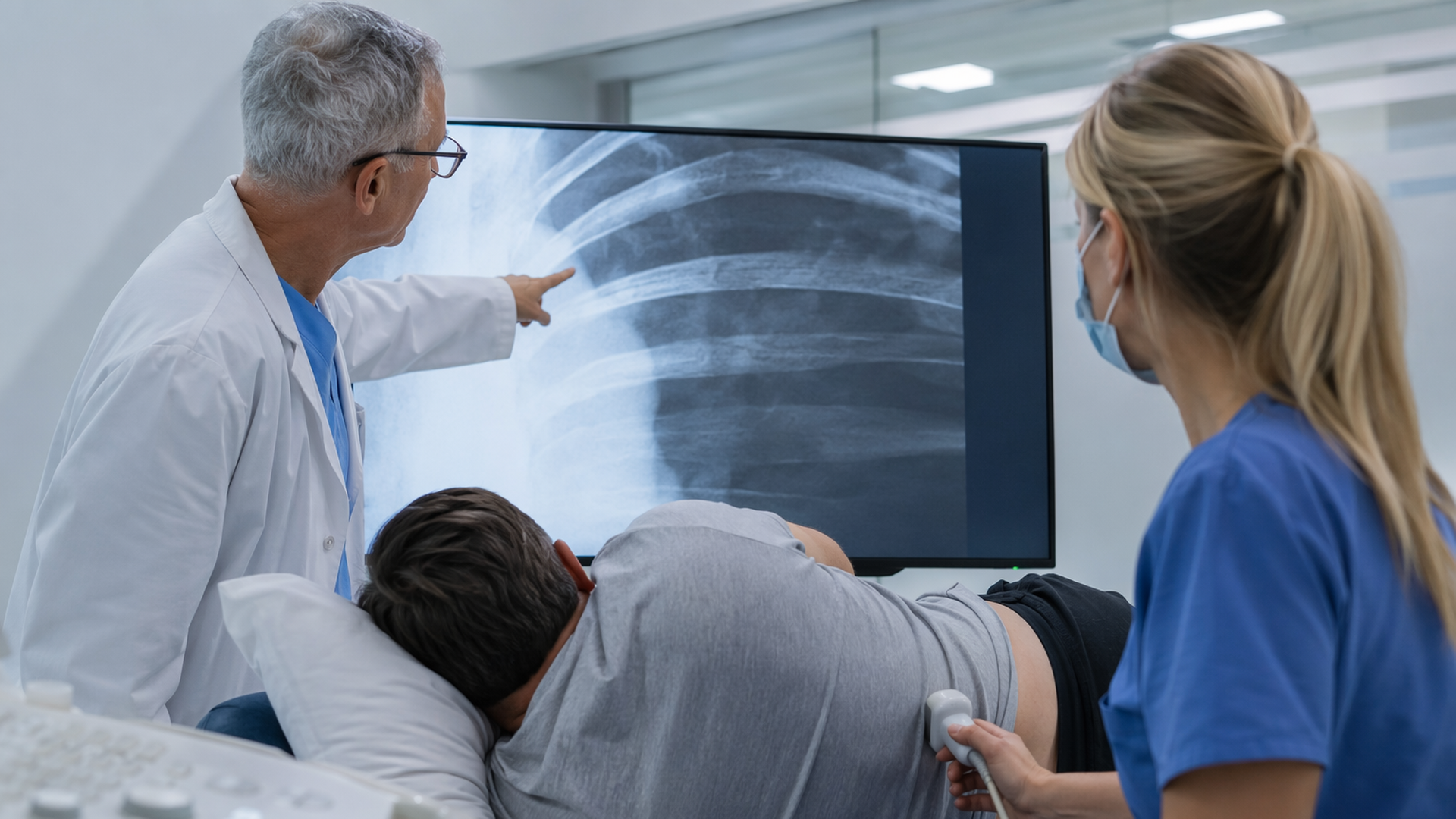
Dynamic Ultrasound
Dynamic ultrasound may be useful when slipped rib syndrome is suspected. Unlike a still image, dynamic ultrasound allows the clinician to observe how the rib and cartilage move during coughing, twisting, abdominal tightening, or other provoking motions.
It can help demonstrate abnormal rib movement and distinguish slipped rib syndrome from certain other chest wall concerns.
Additional Testing
Other imaging or laboratory tests may be recommended depending on the symptoms. These tests are not always used to confirm slipped rib syndrome directly; rather, they may be necessary to exclude conditions involving the heart, lungs, abdominal organs, or bones.
Treatment Options for Slipped Rib Syndrome
Treatment depends on the severity, duration, and impact of symptoms. Many cases improve with conservative care, while persistent or severe symptoms may require more targeted treatment.
Rest and Activity Modification
Avoiding motions that repeatedly trigger pain can help reduce irritation. This may include temporarily modifying exercise, lifting technique, work duties, sleeping positions, or sports participation.
Complete inactivity is not always necessary or helpful. The goal is to reduce aggravating movement while gradually restoring comfortable function.
Heat, Ice, and Anti-Inflammatory Measures
Heat or ice may help manage acute discomfort, depending on which feels more effective for the individual. Over-the-counter anti-inflammatory medicines may also be recommended for some people, provided they are safe based on their medical history and clinician guidance.
Physical Therapy
Physical therapy can play an important role in recovery. A tailored programme may focus on:
- Improving posture and breathing mechanics
- Strengthening the core and muscles around the rib cage
- Reducing muscle guarding and tension
- Improving shoulder and thoracic spine mobility
- Modifying movement patterns that aggravate symptoms
A therapist should avoid techniques that forcefully manipulate an unstable rib, particularly if they increase pain.
Intercostal Nerve Blocks or Injections
For persistent pain, a clinician may recommend an injection near the affected intercostal nerve. This can provide temporary pain relief and may also help confirm that the pain is coming from the involved rib and nerve region.
In some cases, injections are combined with anti-inflammatory medicine to reduce localised irritation.
Surgical Treatment
Surgery is generally reserved for people with severe, recurring symptoms that do not respond to conservative treatment. Surgical options may involve stabilising the affected rib cartilage or removing a portion of the unstable rib cartilage.
The appropriate approach depends on the specific rib involved, the degree of instability, and the patient’s overall health and functional limitations. Evaluation by a surgeon with experience treating chest wall or rib disorders is important when surgery is being considered.
When to Seek Medical Attention
Any new, unexplained, severe, or persistent chest pain should be assessed by a healthcare professional. While slipped rib syndrome is usually not life-threatening, chest and upper abdominal pain can sometimes indicate a more serious condition. The NHS guidance on chest pain explains when urgent medical help may be needed.
Seek Emergency Care Immediately If You Have:
- Chest pressure, tightness, heaviness, or pain that spreads to the arm, jaw, neck, or back
- Shortness of breath, fainting, dizziness, sweating, or nausea with chest pain
- Sudden severe pain after a significant injury
- Coughing up blood
- Blue lips or fingertips
- Severe difficulty breathing
- Fever with chest pain, especially if breathing is painful
- Severe or worsening abdominal pain
These symptoms may be related to a heart, lung, vascular, or internal abdominal emergency and should not be assumed to be caused by a rib problem.
Schedule a Medical Evaluation If:
- Pain persists for more than a few days or repeatedly returns
- You feel clicking, popping, or movement along the lower ribs
- Pain interferes with sleep, work, exercise, or daily activity
- Symptoms began after trauma, intense coughing, or sports activity
- Over-the-counter measures and rest are not helping
- You have unexplained tenderness along the rib margin or upper abdomen
A thorough assessment can help identify the true cause of symptoms and prevent unnecessary delays in treatment.
Living With Slipped Rib Syndrome
Slipped rib syndrome can be disruptive, especially when symptoms are unpredictable. Small adjustments can make daily life more manageable while treatment is underway.
Support Comfortable Movement
Use slow, controlled movements when getting out of bed, lifting objects, or changing position. Avoid sudden trunk twisting and use proper body mechanics during activities that involve reaching, bending, or carrying weight.
Identify and Avoid Personal Triggers
Keeping a brief symptom record can help identify the positions, activities, or movements that consistently make pain worse. This information can also be valuable during a medical or physical therapy evaluation.
Prioritise a Gradual Return to Activity
Once symptoms improve, return to exercise or physically demanding work gradually. A rushed return can re-irritate the rib area and prolong recovery. Building strength and control through a guided rehabilitation plan can reduce the likelihood of recurrent symptoms.
The Bottom Line
Slipped rib syndrome is a real but frequently under-recognised cause of lower chest and upper abdominal pain. Its characteristic signs, including pain with movement, tenderness along the lower ribs, and a clicking or slipping sensation, can help distinguish it from other conditions, but a medical evaluation is essential to rule out more urgent causes.
With an accurate diagnosis and a personalised treatment plan, many people can reduce pain, restore normal movement, and return to the activities they enjoy.